Introduction to Cloud Computing
Full Stack Developer | HTML,CSS, Javascript, WordPress | @sinapradip
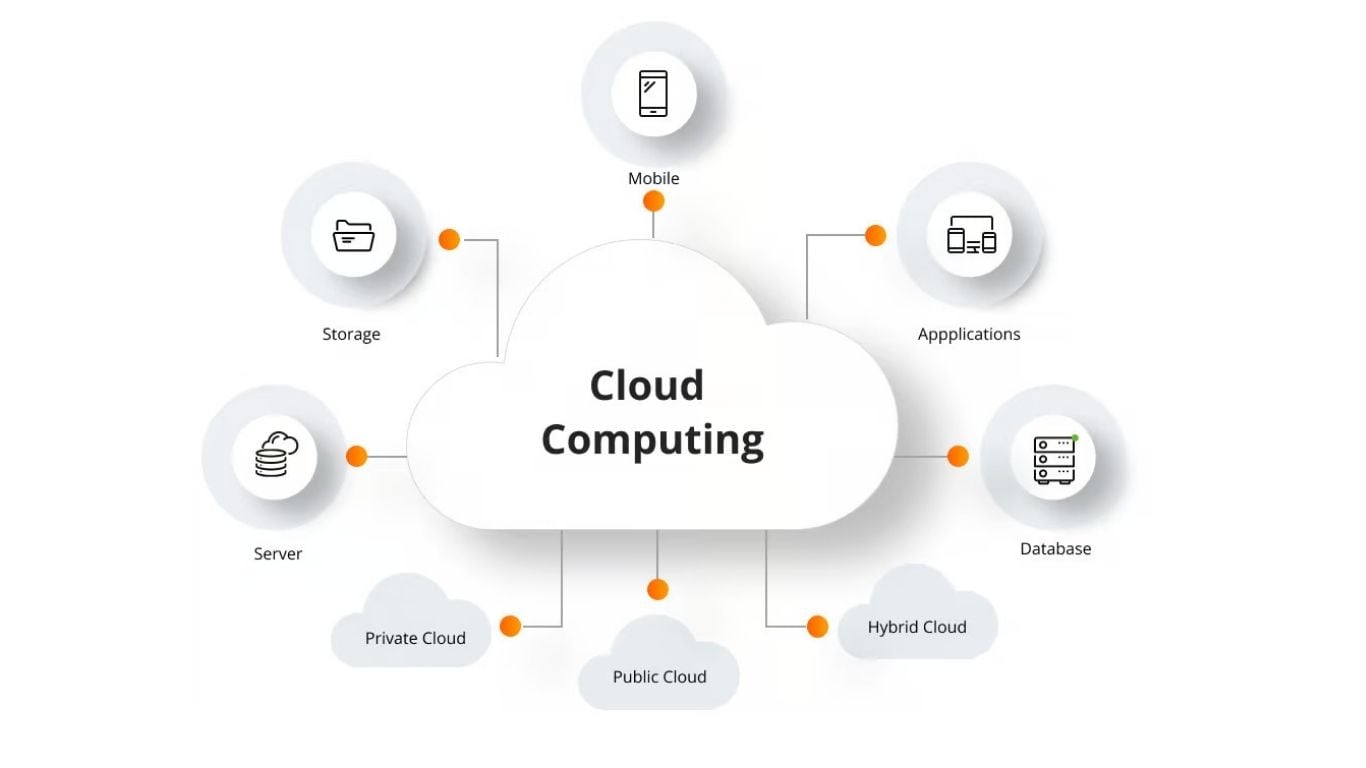
The concept of renting computer hardware (Processor, RAM, Storage, etc.) on a Pay-as-you-Go model over the Internet is known as Cloud Computing.
It has become the go-to solution for thousands of individuals, organizations, and businesses to fulfill their hardware resource requirements without hassling about hardware (server) maintenance.
Major Characteristics
On-demand Service
Broad Network Access
Measured Service
Scalable Architecture
Location Independence
Security & Data Protection
Types
Public: A public company provides hardware resources on demand to their demanding customers
Examples: Amazon Web Service (AWS), Google Cloud, Microsoft Azure, CloudFlare, Netlify
Private: A private company provides on-site hardware resources to a single organization upon ordering
Example: Amazon Outpost, Azure Private Link, Google Distributed Cloud connected
Hybrid: Combination of public and private cloud infrastructure
Community: A specific group(people within the organization: healthcare, finance, aviation) has access to cloud resources
Example: Federal Community Cloud (FCC) by IBM, Cisco’s community
Cloud Service Models
IaaS: Infrastructure as a Service (IaaS), is a cloud computing model that provides on-demand access to computing resources like servers, storage, and networking over the internet.
PaaS: Platform as a Service (PaaS),** is a cloud computing model that provides a complete platform - including hardware, software, and infrastructure- including hardware, software, and infrastructure - for developing, running, and managing applications.
SaaS: Software as a Service (SaaS) refers to a cloud-based software delivery model where a service provider hosts and makes applications available to users over the internet. Users access the software through a web browser or a thin client, without needing to install, maintain, or manage the software themselves. The SaaS provider manages the infrastructure, application software, and data.
This was an Introduction to Cloud Computing. In the next article, I will talk about types of Cloud Computing in details. See you there.


